
“Co-Creating a Space for Imagination, Well Being, and Capacity Building”: COO and St. Joseph Fund Announce Recipients of Pilot Project Grants
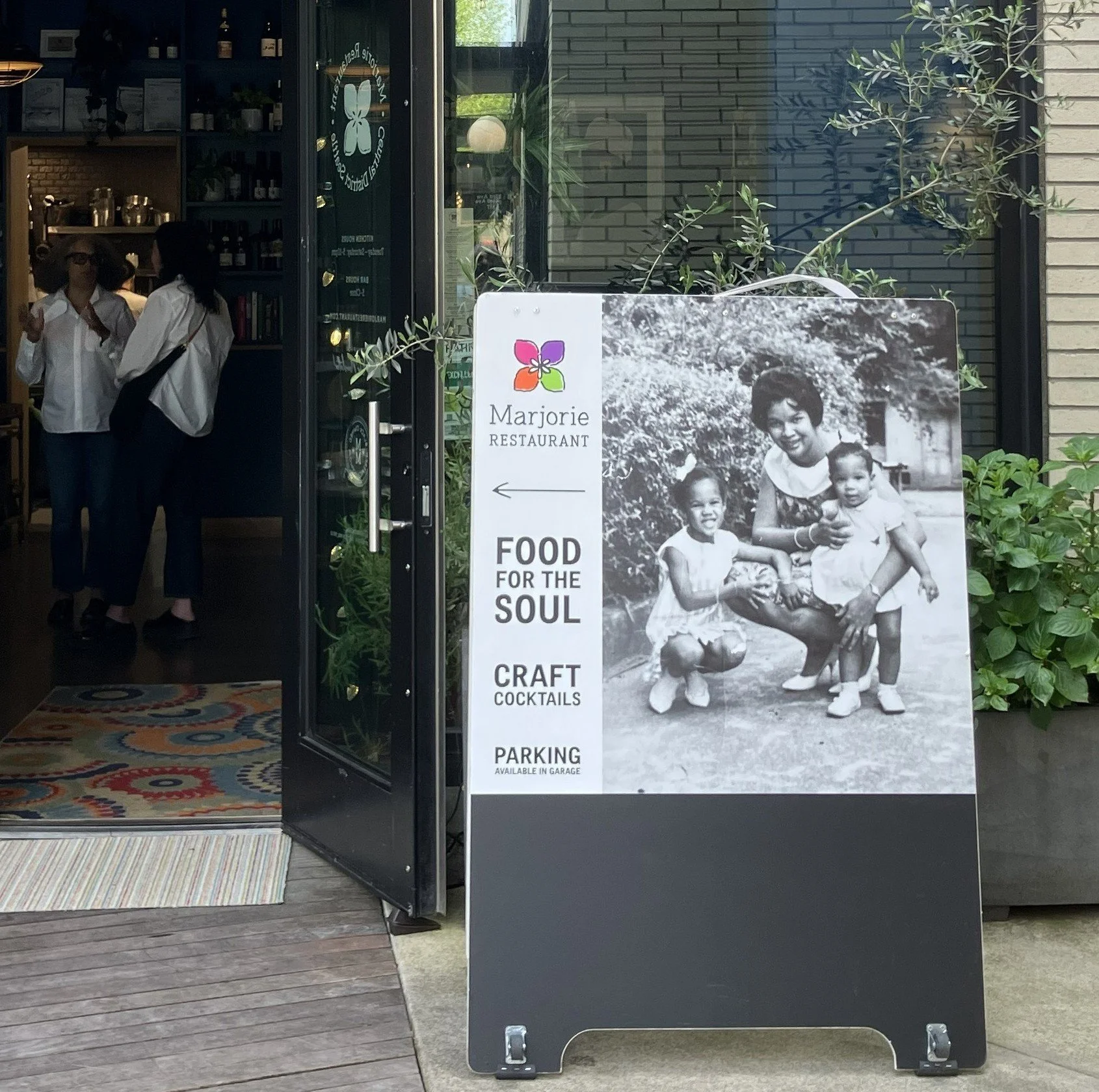
The Marjorie sign at Midtown Square that welcomed the group. The restaurant honors Marjorie, the mother of restaurateur Donna Moodie.
St. Joseph Fund (SJF) and Communities of Opportunity recently welcomed the two new funded partners selected for our new pilot. The new partners are The Common Acre and King County Equitable Development Initiative Coalition.
This pilot, announced last summer, will support specific capacity-building strategies for these two established anti-displacement coalitions in King County. Strategies include strengthening relationship-building, developing internal systems and infrastructures for sustainability, and centering community healing.
Coalition members from these two new partnerships joined team members from SJF and COO at a welcome lunch on April 30 at the restaurant Marjorie, in the heart of Seattle’s Central District at 23rd and Union.
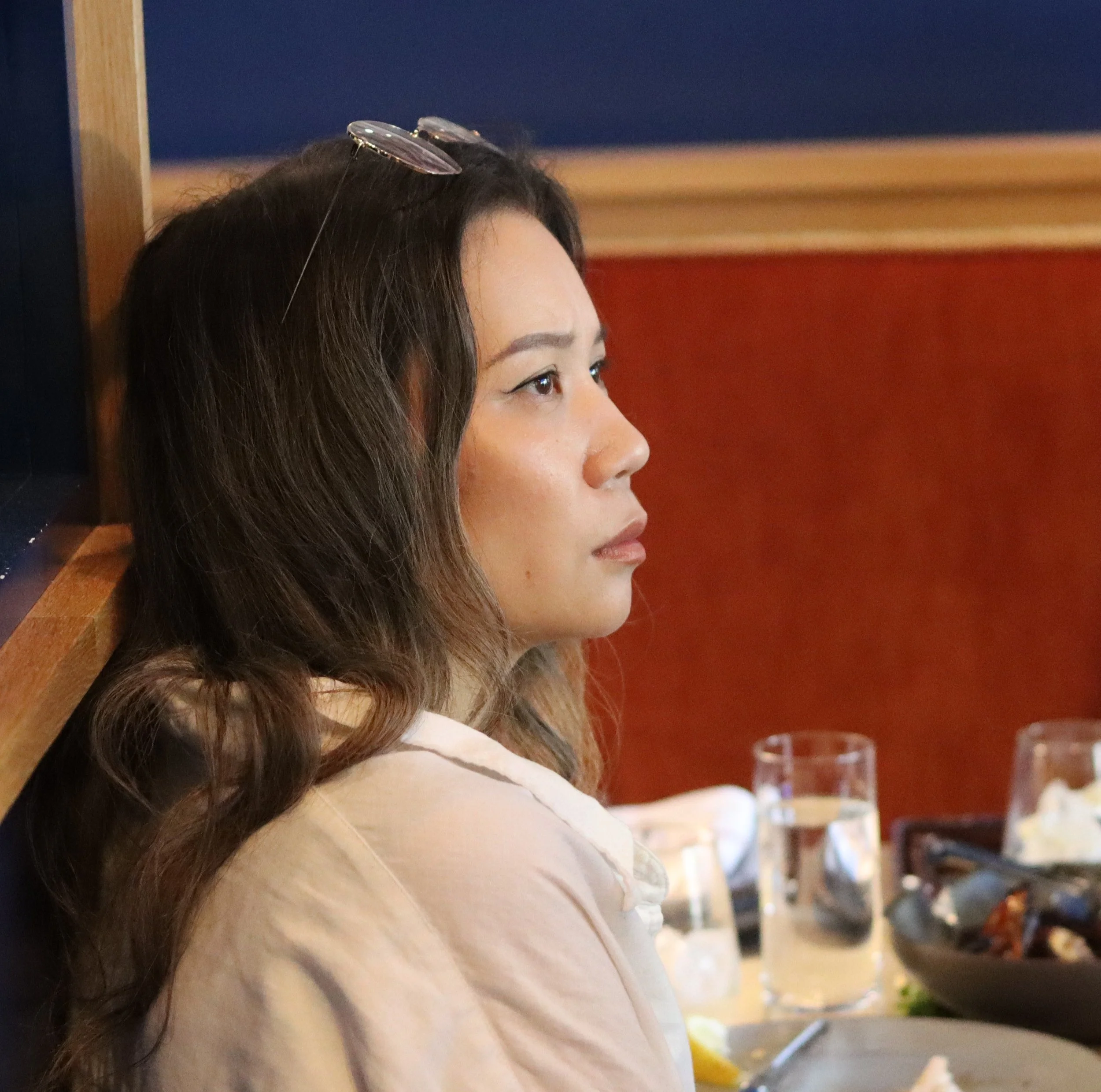
Amy Huang of St. Joseph Fund
Community Coming Together to Build Power
The gathering place – and the gathering itself – are symbolic for this pilot, representing the impact of community coming together to build power, share, and create collective well-being, connection, and healing.
As the group assembled around the shared table, Amy Huang, SJF Program Officer, reflected on the three years of relationship building that led to this day, bringing the new partners and funders together through their shared values.
Amy said that through this pilot, the funded partners will co-learn and co-design to build upon community capacity for longer-term outcomes of systemic change, and to be deliberate in resourcing toward relational work to foster collaboration and alignment.
“The funded partners will co-learn and co-design to build upon community capacity for longer-term outcomes of systemic change.”
Elsa Batres-Boni of Communities of Opportunity called this day “a big deal for COO.” She said this long-sought partnership with SJF is another example of “funders organizing among themselves, so that community partners can do their work in the community.” COO continues to expand its community-driven private-public model and has been working to strengthen public-private partnerships like this for several years.
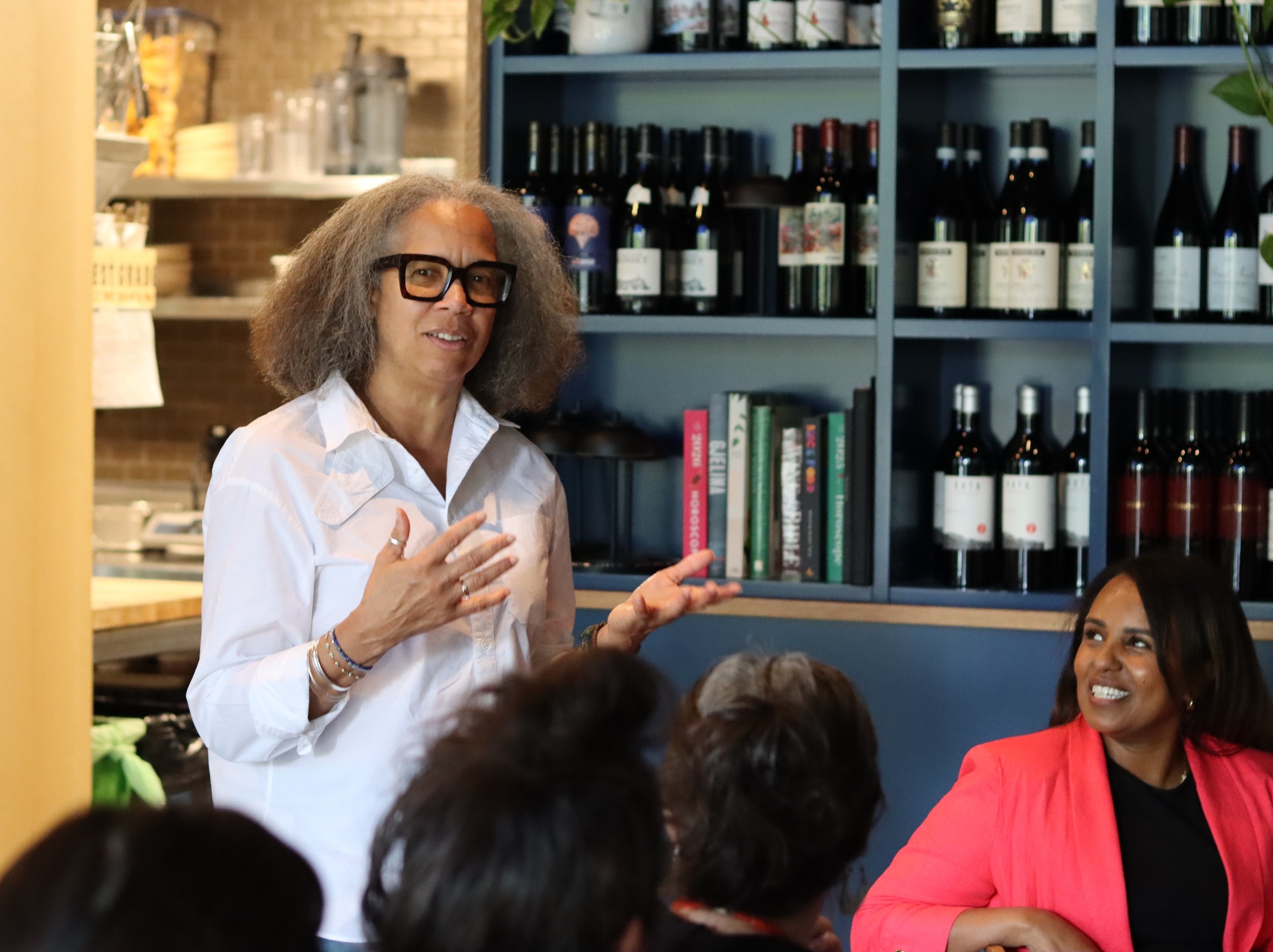
Donna Moodie of Marjorie welcomes the group as Yordanos Teferi, a member of COO’s Governance Group, listens.
Community leader and longtime restaurateur Donna Moodie, the owner of Marjorie, also welcomed the group. She explained the history of the restaurant, named for her mother, from its reputation as a community fixture in other Seattle locations to the community development efforts that brought it to its new home in Midtown Square. As she spoke, she was surrounded by striking artwork by Black artists that she has lovingly collected over the years.
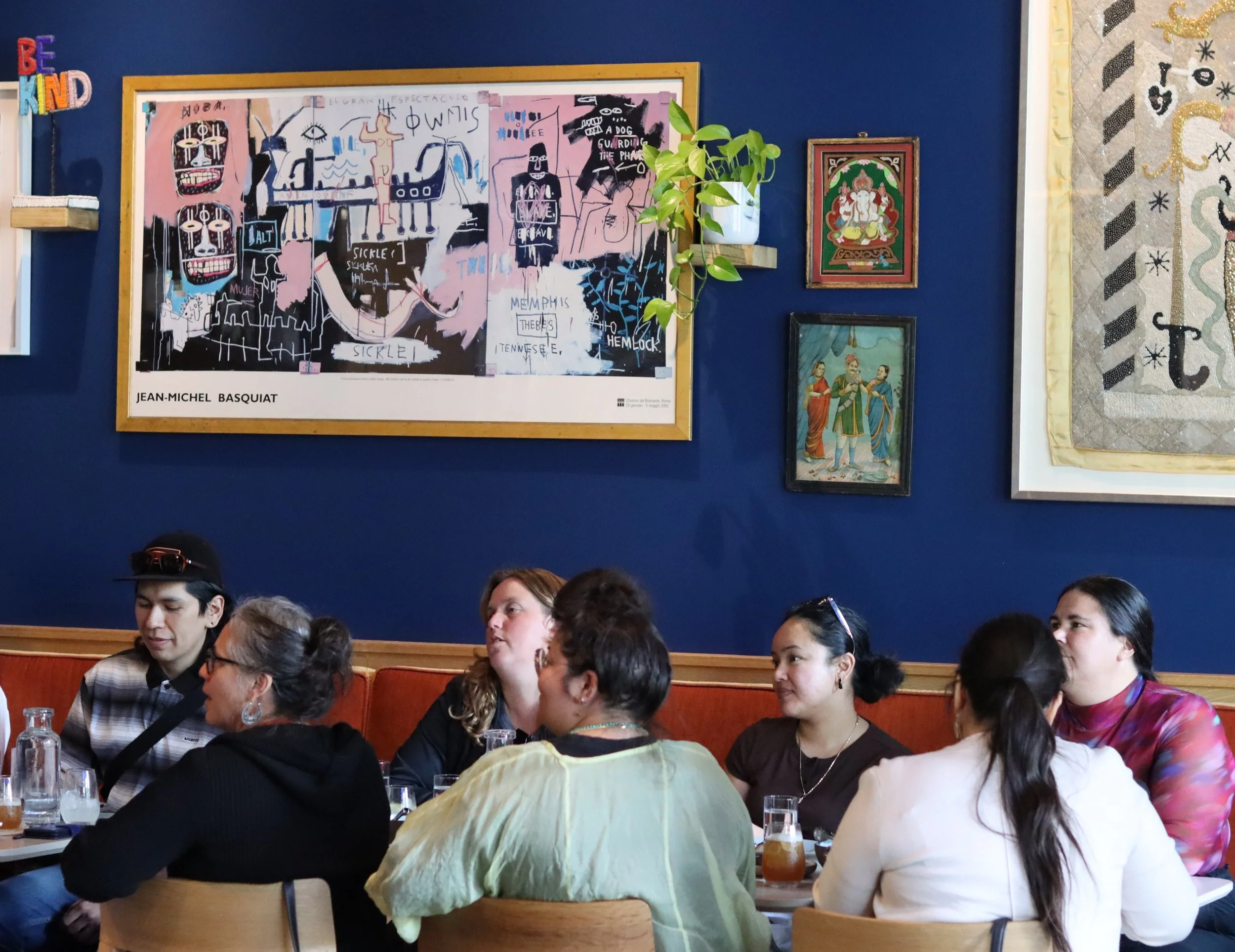
Under some of Marjorie’s beautiful art, left-right on far side: José Camacho-Martinez, Eliana Horn, Theari Leng, and Talia London. On the side closer to us, left-right: Elsa Batres-Boni, Mel Carter, and Demarus Tevuk.
The same kind of community power building and connection that drove the Midtown Square project and the neighboring Africatown Plaza is what this new pilot between COO and SJF is intended to boost in South King County.
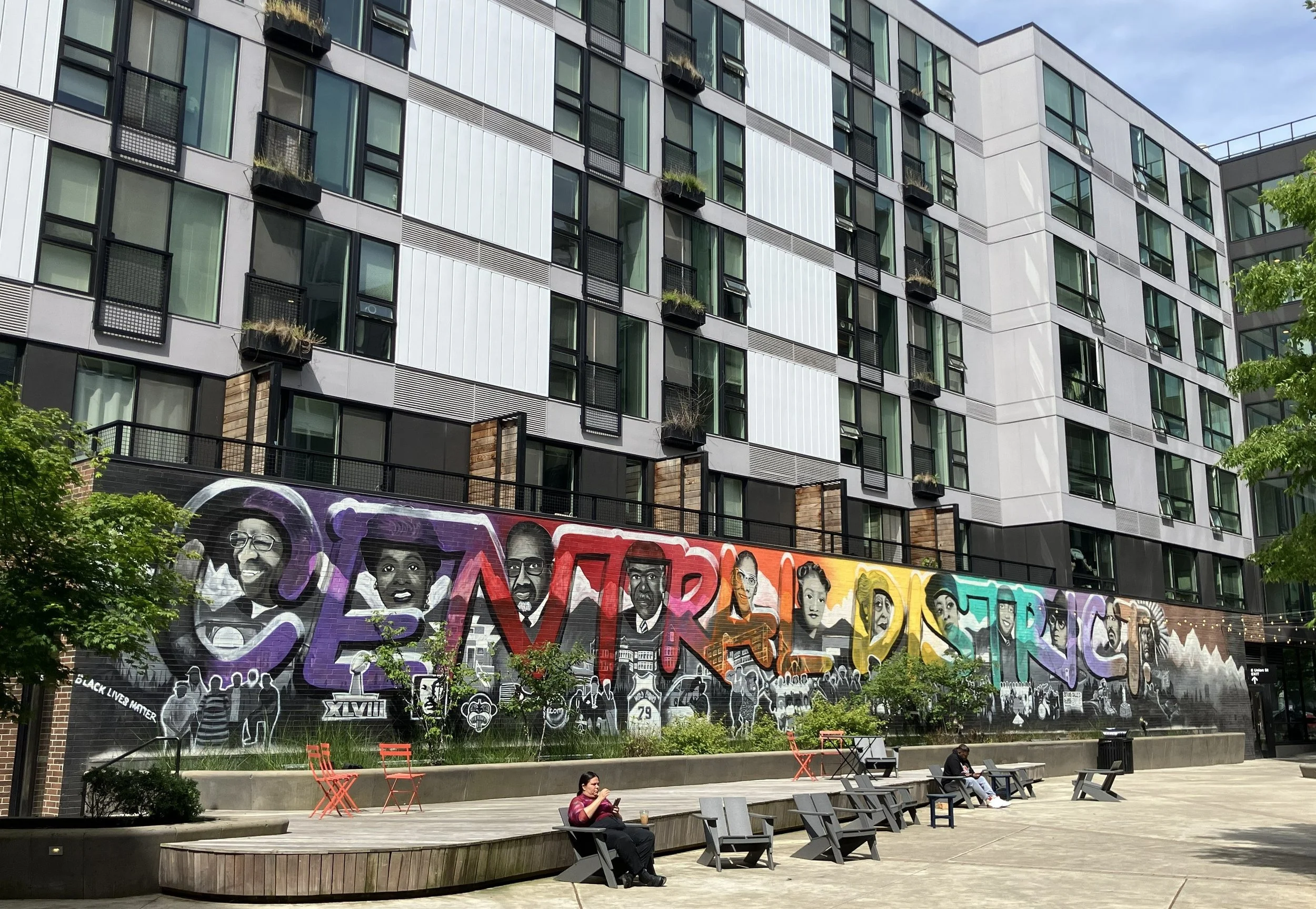
The mural in the plaza of Midtown Square honors the legacy of the Central District. One of our new partners is enjoying the plaza.
About This Pilot
SJF and COO announced this partnership in summer of 2025 after a few years of exploration. Through this new pilot, The Common Acre and King County Equitable Development Initiative Coalition will work on anti-displacement efforts for communities most impacted by inequities in King County. (Read below for descriptions of what these new partners plan to do.)
The new funded partners are each being awarded:
A grant of $82,500, effective June 1, 2026, through May 31, 2027.
Access to up to $20,000 of consultant services to support their capacity-building goals; capacity building is a central approach for both funders.
In addition, they will:
Participate in up to two retreats centered on collective power building, skills building, and healing. These are modeled on our shared power building approach.
Have access to Best Starts for Kids capacity-building opportunities.
Have access to more learning opportunities, including through COO’s Learning Community and mini-grants for technical assistance and capacity building.
“We expect the partnership to blend the best aspects of public and private funding – such as the flexibility of private funding and
the reach of public funding. ”
With shared values of community power building at our core, said Elsa, “COO and St. Joseph Fund expect the partnership to blend the best aspects of public and private funding – such as the flexibility of private funding and the reach of public funding.” Elsa said that as part of the pilot, “grantees will co-design what future funding and capacity building programs between COO and SJF may look like.”
One organizational intended outcome of this pilot will be to create a framework for bringing more private partners together with public funders, to expand our reach and facilitate learning from other areas.
“This new pilot intends for community partners to co-create space for imagination and sustainability,” said Amy. “It offers supplemental resources that partnerships can use to strengthen their capacity, healing, and organizational infrastructure to further advance their work around community power building.”
The Selection Process
One unique element of this pilot is that it came together using the best practices of COO and SJF, with criteria co-designed by COO staff, the COO Governance group, and SJF.
Among the criteria: “The funded partner should be a well-established coalition, incorporating some of our practices of intentional, restorative, equitable development, and stewardship,” said José Camacho Martinez of COO. José is the COO Place-Based and Community Partnerships strategy lead overseeing this pilot with Amy and consultant project manager, Caroline Burney.
The selection process engaged community subject-matter experts on equitable development of affordable housing. It included several rounds of applicant interviews that provided deeper insights into the successes and challenges of the organizations who applied, and how the pilot would contribute to solidifying their goals. This resulted in our selecting the two pilot program grantees.
About the Funded Partners
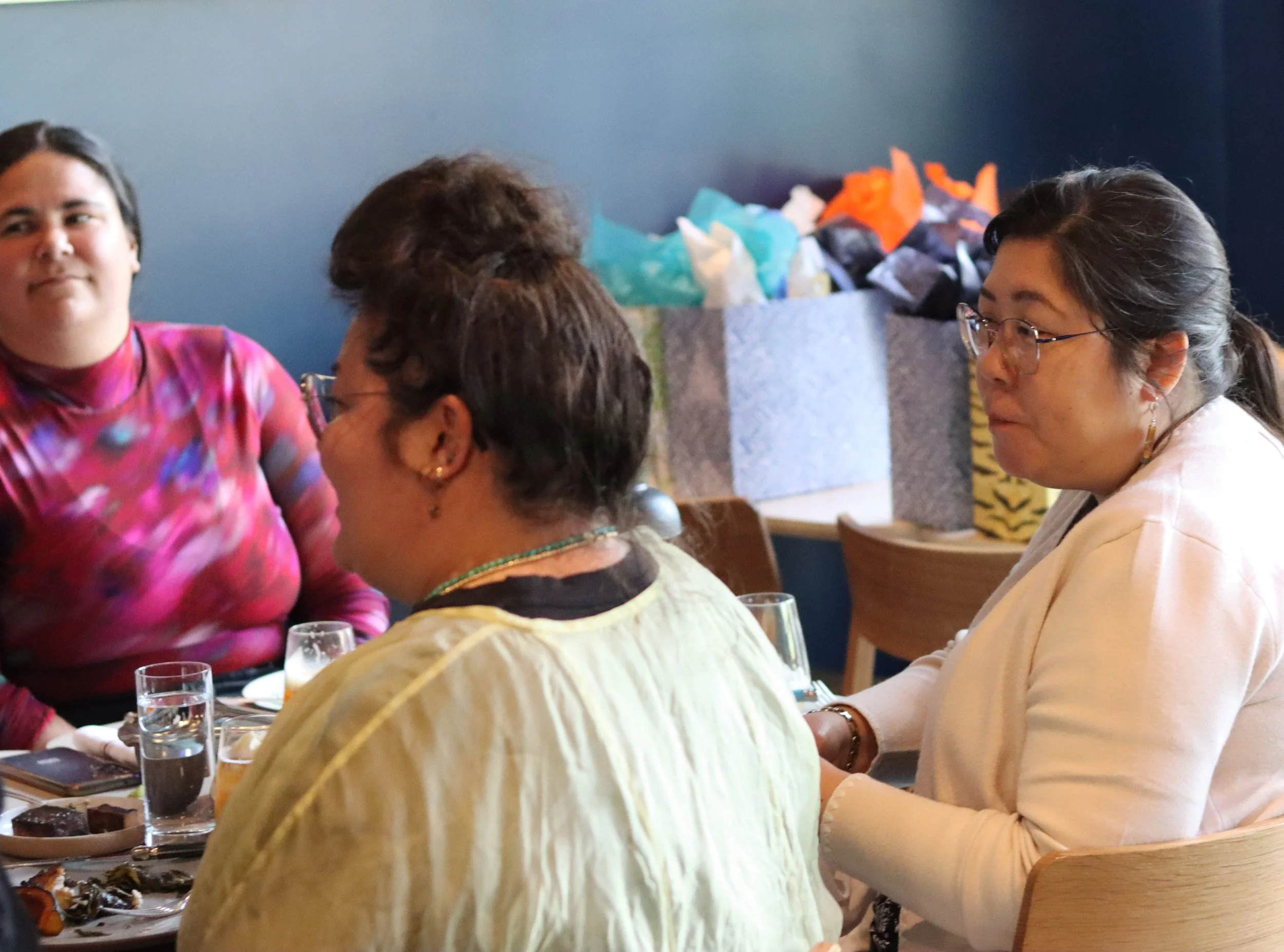
Left-right: Talia, Mel, and Demarus of The Common Acre.
The Common Acre
The Common Acre is a Native-led organization based in Seattle that serves urban Alaskan Native and Coast Salish communities and communities of color to reconnect them to land and culture.
Through this grant, The Common Acre aims to amplify the impact of their existing work to advance land stewardship and cultural revitalization in South Seattle.
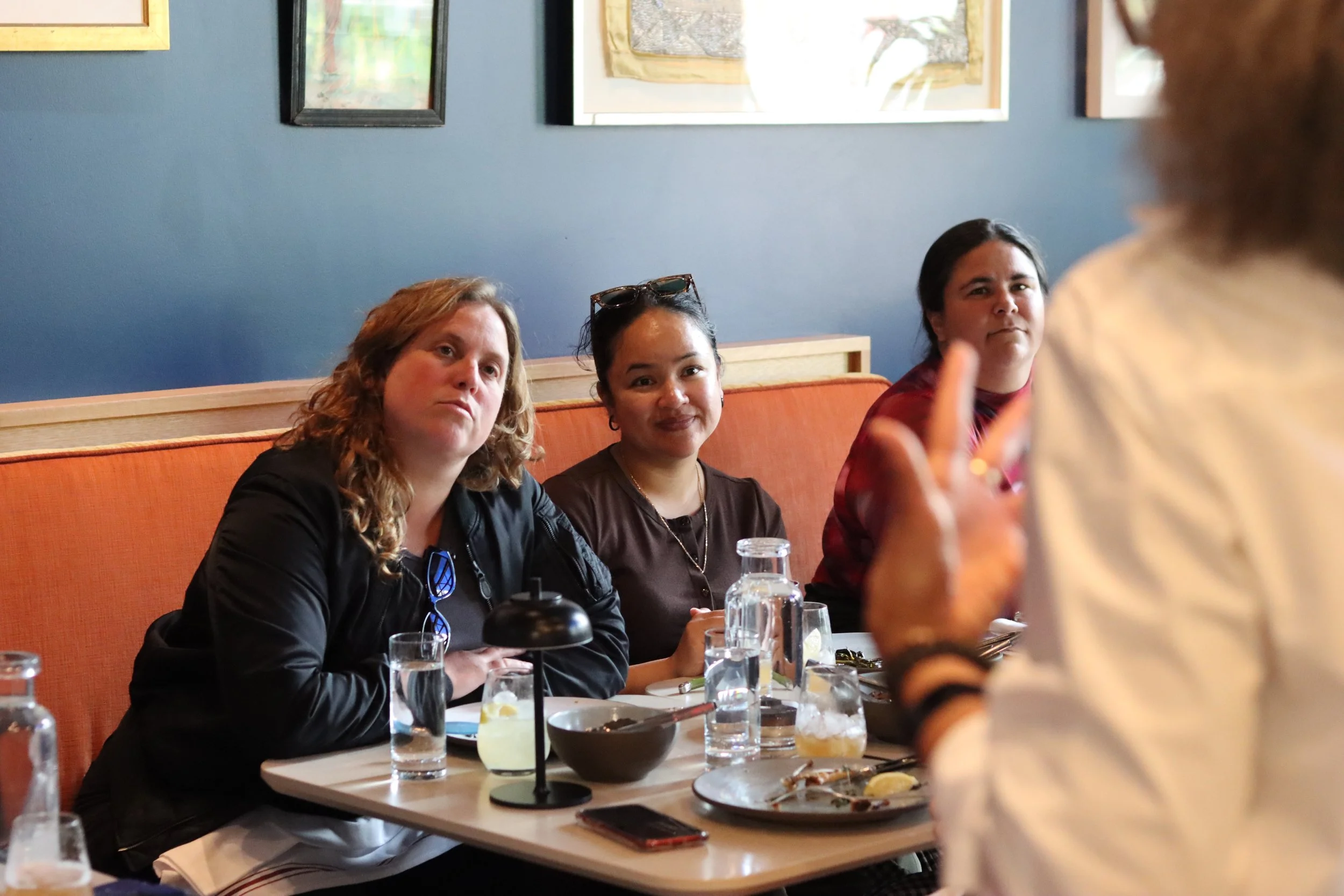
Left-right: Eliana and Theari, two of the KCEDI Coalition team members, with Talia of The Common Acre.
King County Equitable Development Initiative (KCEDI) Coalition
The King County Equitable Development Initiative (KCEDI) Coalition, led by the Multicultural Community Coalition and Puget Sound Sage, is a partnership of over 40 BIPOC-led organizations, working to end displacement and expand community ownership of land across King County.
With this grant funding, KCEDI will deepen its internal coalition infrastructure, by creating leadership development pathways for coalition members, and more.
About COO and St. Joseph Fund
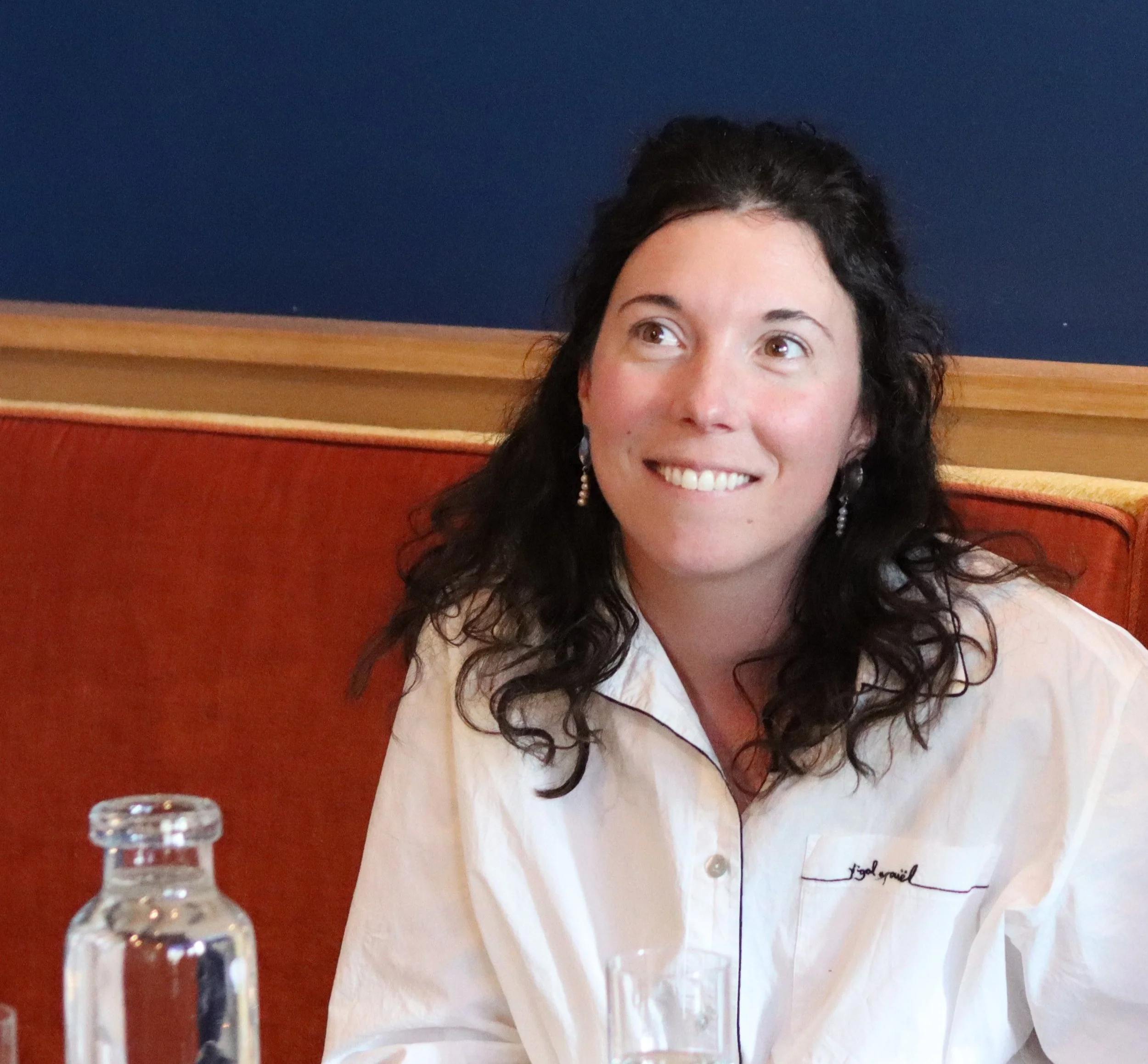
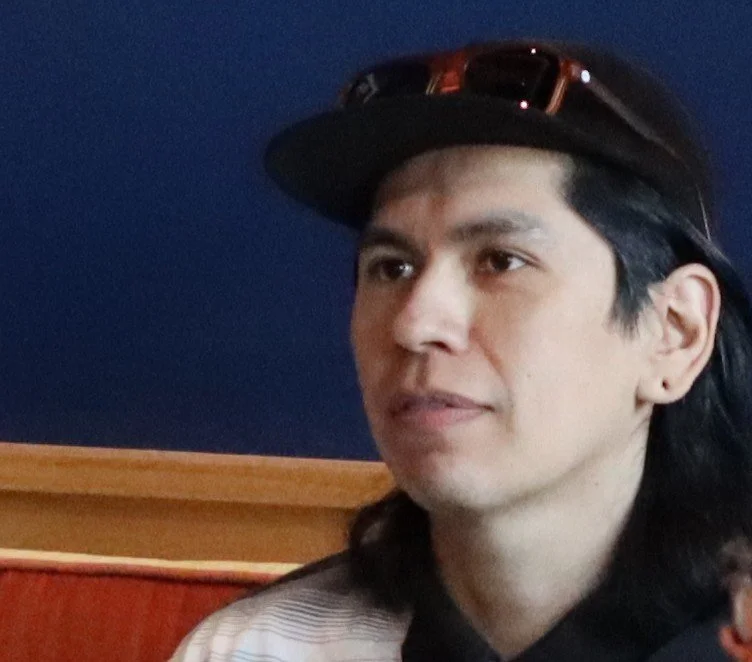
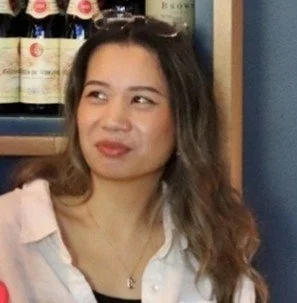
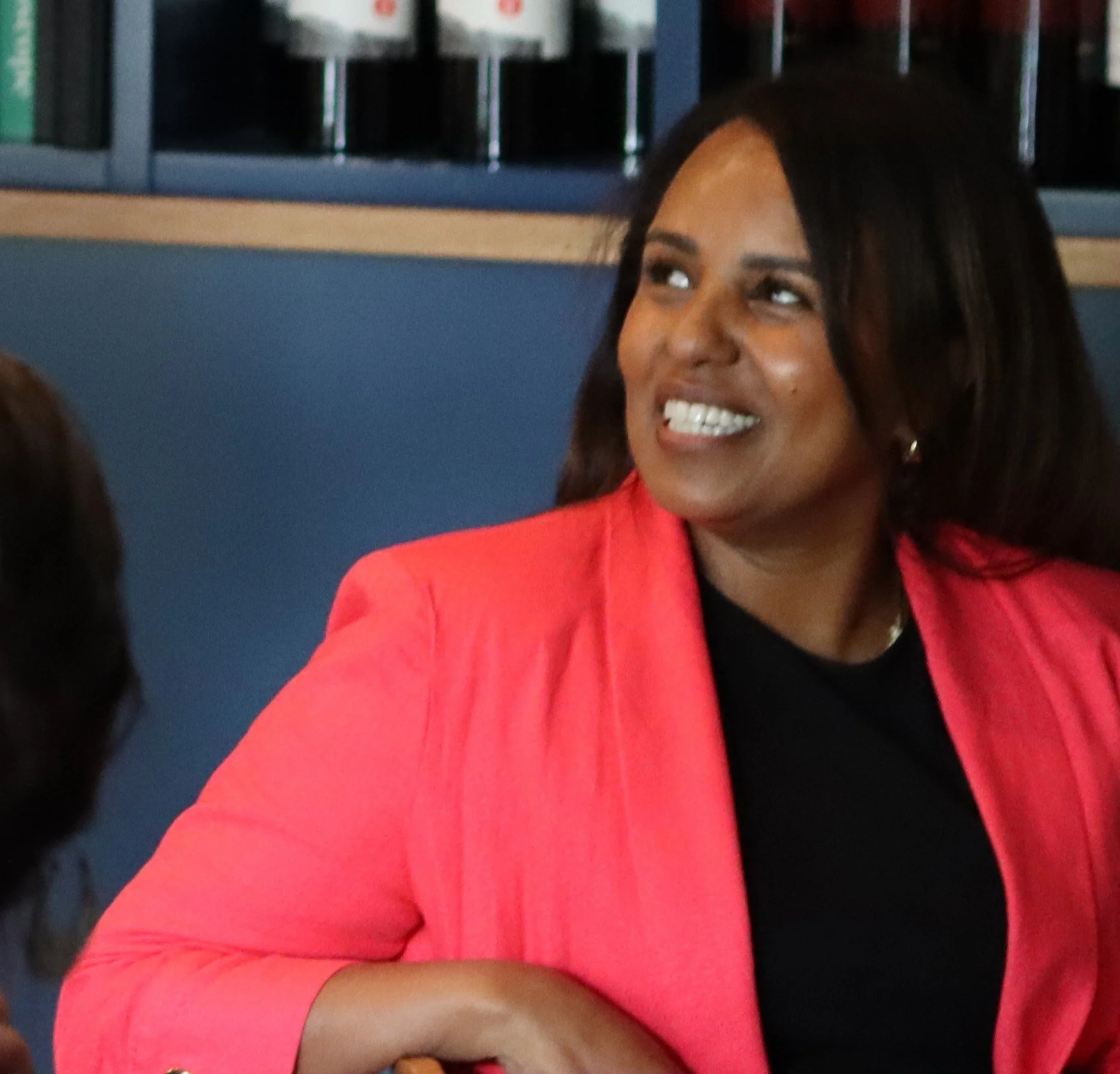
Left-right: Seattle-area consultant Caroline Burney and COO’s José Camacho-Martinez will work with Amy Huang to implement the project. Yordanos Teferi (right) is the COO Governance Group representative on the pilot.
St. Joseph Fund (SJF) is a mission-driven grantmaking organization rooted in love. They collaborate with values-driven partners to build healing-centered capacity that advances community power building, equity, and systems change.
Communities of Opportunity (COO) is a community-led initiative that uniquely combines community, local government, and private foundation partnerships to invest in the power of communities in King County. COO was founded in 2014 by community leaders, King County, and the Seattle Foundation.